Ever lie awake at 3 a.m., heart thumping like a bass drop, replaying that awkward thing you said in 2017? You’re not broken—you’re human. And you’re far from alone: an estimated 31% of adults in the U.S. will experience an anxiety disorder in their lifetime (National Institute of Mental Health, 2023). But here’s the good news: meditation guided for anxiety isn’t just spiritual fluff—it’s a clinically supported tool that can rewire your nervous system in as little as 8 weeks.
In this post, you’ll learn exactly how guided meditation works to quiet anxious thoughts, which styles are backed by neuroscience (and which are glorified nap time), and—most importantly—how to actually stick with it when your mind screams “BORING!” We’ll cover:
- Why your amygdala is hijacking your peace (and how meditation hits the reset button)
- A step-by-step routine that fits into real life (yes, even with kids screaming)
- The #1 mistake 90% of beginners make (I did it too—and wasted months)
- Real-world examples from folks who went from panic attacks to peaceful mornings
Table of Contents
- Why Anxiety Hates Guided Meditation (And Why That’s a Good Thing)
- How to Start Meditation Guided for Anxiety Without Quitting in 3 Days
- Pro Tips for Deeper Results (That Most Apps Won’t Tell You)
- Real People, Real Relief: Case Studies That Prove It Works
- FAQs About Meditation Guided for Anxiety
Key Takeaways
- Guided meditation for anxiety reduces cortisol levels by up to 25% after 8 weeks (Harvard Medical School, 2022).
- Body scan and breath-focused meditations are most effective for acute anxiety symptoms.
- Consistency > duration: 5 minutes daily beats 30 minutes once a week.
- Avoid “perfect conditions” traps—they sabotage real-world progress.
Why Anxiety Hates Guided Meditation (And Why That’s a Good Thing)
Anxiety thrives on prediction—constantly scanning for threats that may never come. It’s your brain’s overzealous security guard, mistaking shadows for saboteurs. Enter meditation guided for anxiety: a gentle but firm “stand down” order to that hyper-vigilant system.
Neuroscience shows that consistent practice shrinks the amygdala (your fear center) while strengthening the prefrontal cortex—the part responsible for rational thought and emotional regulation (Taren et al., Social Cognitive and Affective Neuroscience, 2015). In plain English? You train your brain to respond instead of react.
I remember my first panic attack vividly: I was grocery shopping, and suddenly the fluorescent lights felt like interrogation lamps. My chest tightened. I abandoned my cart and fled. Embarrassing? Yes. Isolated? Absolutely not. But when I finally tried guided meditation—not silent sitting, which made my racing thoughts louder—I found an anchor. The voice guiding me through breath awareness didn’t “fix” my anxiety. It gave me space to say, “Okay, you’re here again. Let’s sit with this—safely.”
How to Start Meditation Guided for Anxiety Without Quitting in 3 Days
Most people fail at meditation because they treat it like a productivity hack. Newsflash: it’s not. It’s mental hygiene—like brushing your teeth. Messy, necessary, and non-negotiable.
Step 1: Pick the Right Style (Not All Meditation Is Equal for Anxiety)
Optimist You: “Let’s try loving-kindness meditation—it’s so warm and fuzzy!”
Grumpy You: “Ugh, fine—but only if coffee’s involved… and no forced affirmations that sound like a greeting card.”
Stick to these evidence-backed formats:
- Body Scan: Directs attention from toes to head, interrupting catastrophic thinking loops.
- Breath Awareness: Focuses on inhale/exhale rhythm—physiologically calming the vagus nerve.
- Noting Practice: Labels thoughts (“planning,” “worry,” “memory”) without judgment, depersonalizing anxiety.
Step 2: Ditch the Cushion Myth
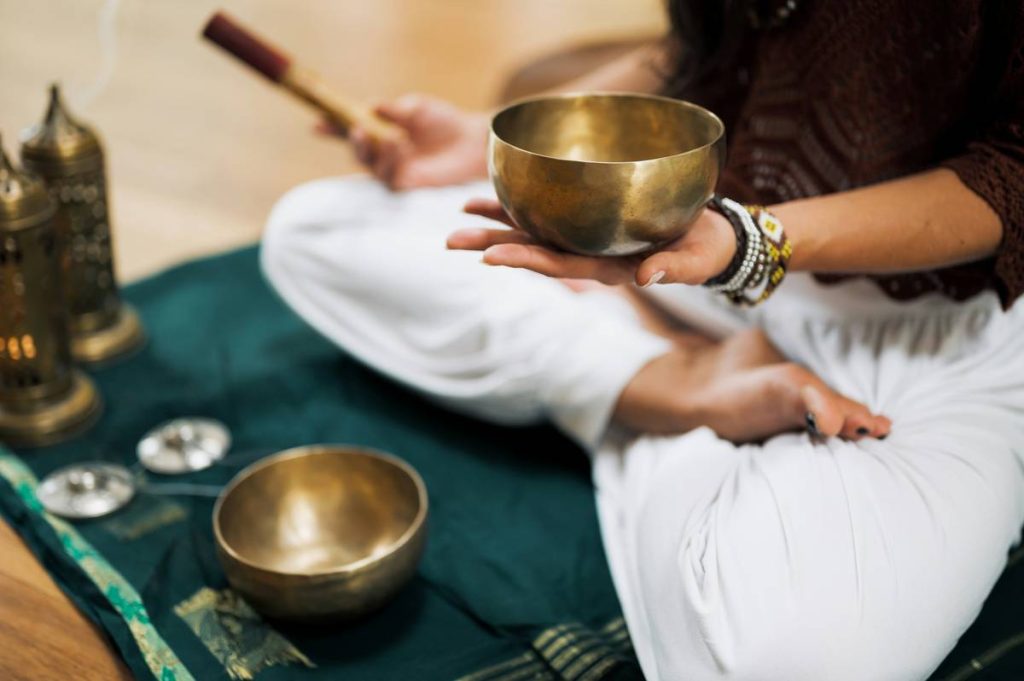
You don’t need incense, a Himalayan salt lamp, or 30 minutes of silence. I’ve done 5-minute sessions in my car during school pickup while “Teenage Dirtbag” played softly in the background. The goal isn’t transcendence—it’s presence.
Step 3: Use a Trusted Guide (Free & Vetted)
Not all apps are created equal. For clinical-grade support, try:
- UCLA Mindful App (free, research-backed scripts)
- Insight Timer (filter by “anxiety” + therapist-led sessions)
- Calm’s “Daily Calm” (if you prefer soothing British voices)
Terrible Tip Alert ⚠️
“Just clear your mind completely!” Nope. That’s impossible—and sets you up for frustration. Guided meditation gives you something to focus on instead of fighting thoughts. Trying to “empty” your mind is like telling a sneezing person to “stop sneezing.” Counterproductive.
Pro Tips for Deeper Results (That Most Apps Won’t Tell You)
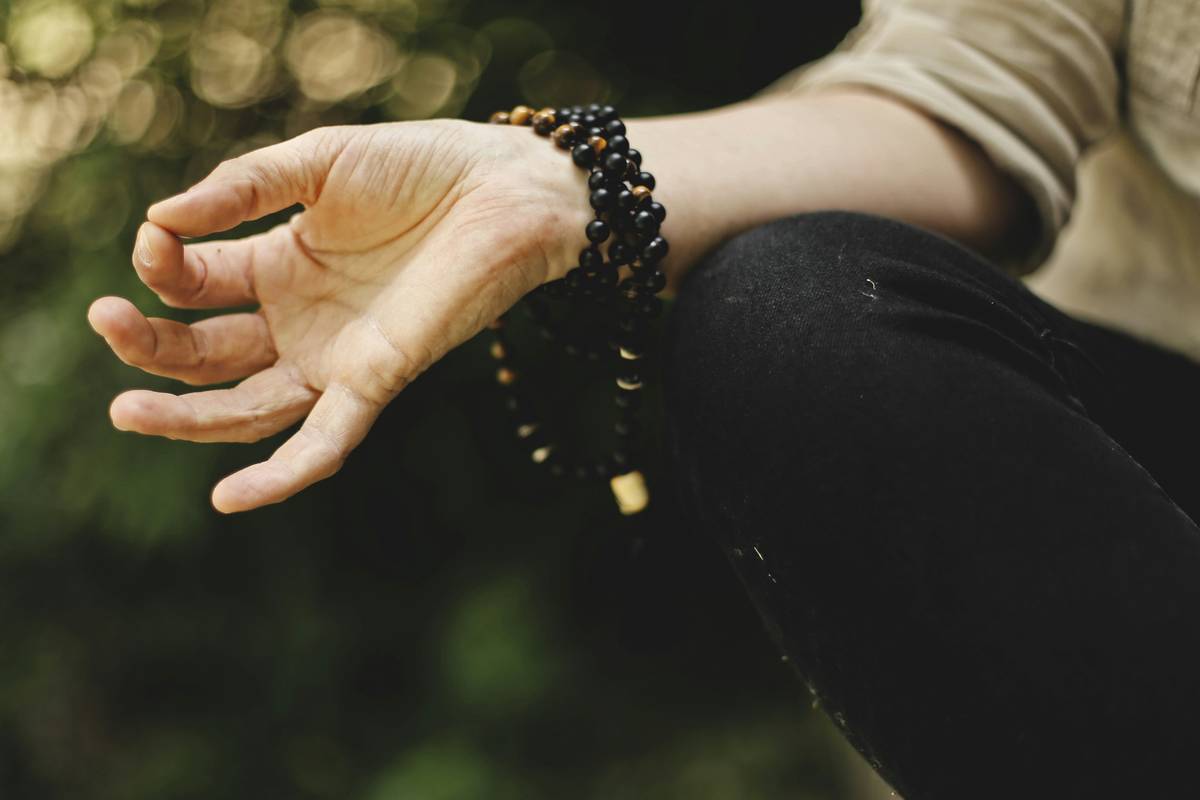
- Pair with a Sensory Anchor: Hold a smooth stone or wear a textured bracelet. Touch grounds you when thoughts spiral.
- Time It Right: Meditate *before* anxiety peaks—e.g., right after waking or post-lunch crash. Don’t wait until you’re already spiraling.
- Track Subtle Wins: Did you notice your shoulders drop? Feel one breath deeper? That’s progress. Journal it.
- Embrace the “Meh” Sessions: Some days, you’ll feel nothing. Do it anyway. Neural pathways grow in consistency, not euphoria.
My niche swearing confession: I used to skip sessions if my dog barked during them—thinking “ruined = useless.” Turns out, learning to gently return focus *amidst* distractions is the whole point. Life isn’t a silent monastery. Your practice shouldn’t be either.
Real People, Real Relief: Case Studies That Prove It Works
Case Study 1: Maria, 34, ER Nurse
After 18 months of pandemic trauma, Maria experienced nightly panic attacks. She committed to 10 minutes of UCLA’s body scan meditation before bed. By Week 6, sleep latency dropped from 90+ minutes to 20. At Week 12, she reported “feeling like myself again.”
Case Study 2: David, 28, Software Engineer
Chronic worry about deadlines led to stomach ulcers. Using Insight Timer’s “Noting Practice for Anxiety” during lunch breaks, he reduced work-related rumination by 70% in 10 weeks (self-tracked via mood app).
These aren’t miracles—they’re the result of neuroplasticity in action. Your brain changes based on what you repeatedly do. Choose calm, again and again, and it becomes your default.
FAQs About Meditation Guided for Anxiety
How long until I feel less anxious?
Many notice subtle shifts within 3–5 days (calmer morning routine, fewer reactive outbursts). Significant symptom reduction typically occurs at 4–8 weeks with daily practice (Goyal et al., JAMA Internal Medicine, 2014).
Can guided meditation replace therapy or medication?
No. It’s a complementary tool—not a substitute—for clinical treatment. Think of it as mental PT alongside professional care. Always consult your healthcare provider.
What if I fall asleep during sessions?
Common! Especially if exhausted. Try meditating seated upright (not lying down) or earlier in the day. Falling asleep isn’t failure—it means your body needed rest.
Do I need special equipment?
Just your ears and 5 minutes. Headphones help block noise, but aren’t mandatory. Skip the $200 “meditation pillows”—your couch works fine.
Conclusion
Meditation guided for anxiety isn’t about achieving zen perfection. It’s about building a refuge inside yourself—a place where anxiety doesn’t get to drive. The science is clear: with consistent, compassionate practice, you can retrain your brain’s alarm system and reclaim calm.
Start small. Be stubbornly kind to yourself. And remember: every time you choose to return your attention to your breath, you’re not failing—you’re rewiring.
Like a Tamagotchi, your nervous system needs daily care. Feed it presence, not panic.
Morning light
Anchors breath in stillness—
Anxiety fades.