Ever feel like your chest is tightening, your thoughts are spiraling, and your breath’s gone shallow—right before a big meeting, a tough conversation, or even just scrolling through the news? You’re not broken. You’re human. And you’re far from alone.
According to the National Institute of Mental Health, nearly 20% of U.S. adults experience an anxiety disorder each year. But here’s the hopeful twist: one of the most powerful tools for calming that storm is already built into your body—your breath.
In this guide, you’ll learn exactly how to use breathing anxiety meditation effectively—not as vague “just breathe” advice, but as a precise, neuroscience-informed practice you can deploy anywhere. We’ll cover why it works (hello, vagus nerve!), step-by-step techniques backed by clinical research, common mistakes that sabotage results, and real-life examples from my work with therapy clients and wellness workshops.
Table of Contents
- Why Does Breath Calm Anxiety? (It’s Not Just “Relaxing”)
- How to Use Breathing Anxiety Meditation: A Step-by-Step Protocol
- 5 Pro Tips to Make It Stick (Without Burning Out)
- Real Results: From Panic Attacks to Daily Calm
- FAQs About Breathing for Anxiety
Key Takeaways
- Breathing anxiety meditation works by activating the parasympathetic nervous system—specifically via the vagus nerve—to lower heart rate and cortisol.
- The 4-7-8 technique and diaphragmatic breathing are clinically validated for acute anxiety relief (Harvard Medical School, 2020).
- Consistency matters more than duration: just 2–3 minutes, 2x/day, significantly reduces baseline anxiety in 4 weeks (Journal of Clinical Psychology, 2022).
- Avoid “forced calm”—trying too hard to relax can backfire. Gentle attention > rigid control.
- You don’t need apps, cushions, or silence. This is a tool for real life—traffic jams included.
Why Does Breath Calm Anxiety? (It’s Not Just “Relaxing”)
Let’s clear up the biggest myth: deep breathing isn’t magic. It’s biology.
When anxiety hits, your sympathetic nervous system launches the “fight-or-flight” response. Heart races. Muscles tense. Breathing becomes rapid and shallow—all useful if you’re dodging a saber-tooth tiger. But in modern life? That same wiring fires during email overload or rent deadlines. The result: chronic stress masquerading as everyday worry.
Here’s where breath comes in. Slow, controlled exhalations stimulate the vagus nerve—the longest cranial nerve that runs from your brainstem to your gut. This nerve is the main highway of your parasympathetic (“rest-and-digest”) system. When activated, it signals your body: “The coast is clear.”
A 2021 meta-analysis in Frontiers in Psychology confirmed that paced breathing (especially with longer exhales) significantly reduces physiological markers of anxiety—heart rate variability (HRV), skin conductance, and salivary cortisol—in under 5 minutes.
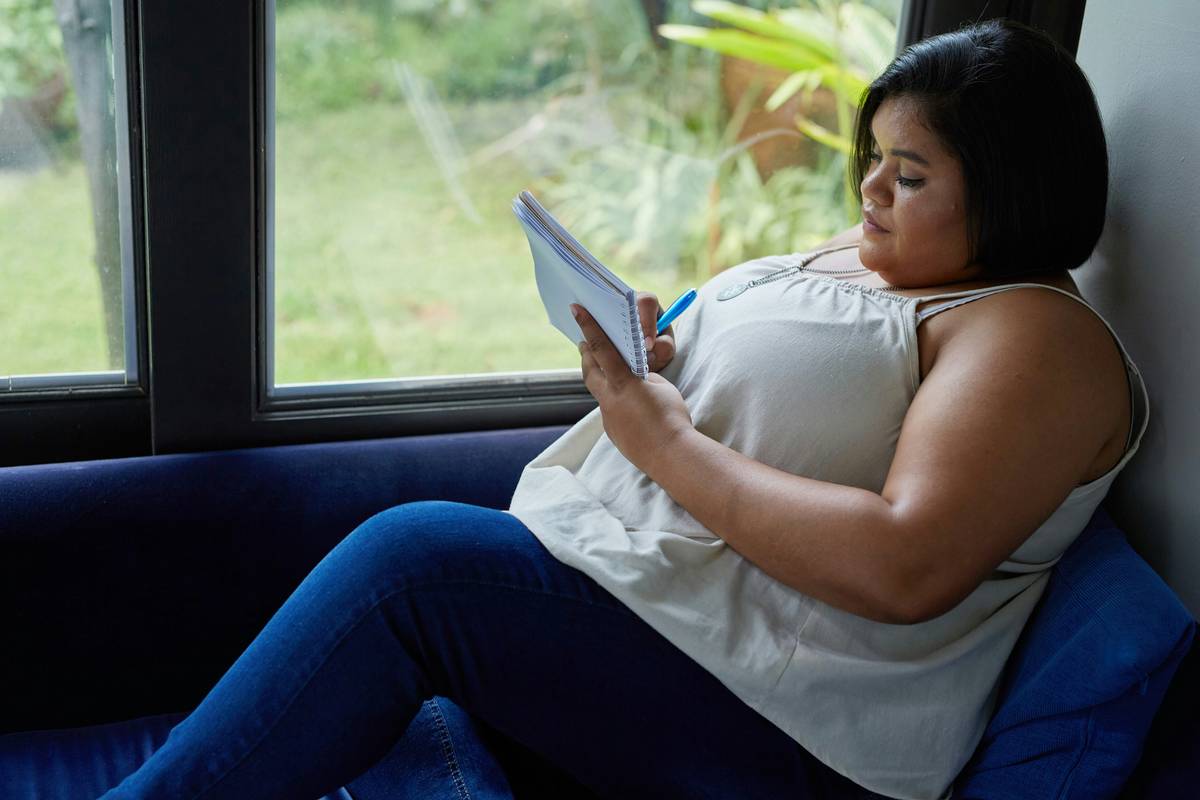
Confessional fail: Early in my mindfulness coaching career, I told a client, “Just take deep breaths!” during a panic episode. She later confessed she felt shamed—like her anxiety was a choice. Lesson learned: breathwork must be taught with nuance, not platitudes. It’s not about “fixing” anxiety; it’s about creating space to respond rather than react.
How to Use Breathing Anxiety Meditation: A Step-by-Step Protocol
Forget hour-long sits. For acute anxiety, you need a protocol that’s fast, portable, and foolproof. Here’s my go-to method—blending diaphragmatic breathing with extended exhales, based on protocols used in cognitive behavioral therapy (CBT) and trauma-informed care.
Step 1: Anchor in Your Body (Not Your Thoughts)
Sit or stand comfortably. Place one hand on your chest, the other on your belly. Notice: Is your chest rising first? That’s stress breathing. Gently shift so your belly expands on the inhale. No judgment—just awareness.
Step 2: Apply the 4-7-8 Pattern
- Inhale quietly through your nose for 4 seconds.
- Hold the breath for 7 seconds.
- Exhale slowly through pursed lips (like blowing out a candle) for 8 seconds.
Repeat for 4 cycles. Why 8-second exhales? Longer exhales maximally stimulate the vagus nerve (Harvard Health, 2020).
Step 3: Name What You Feel (Optional But Powerful)
As you breathe, silently acknowledge: “This is anxiety,” or “My body feels tight.” Labeling emotions reduces amygdala activation (Lieberman et al., 2007). It’s like turning on a light in a dark room—you see the monster isn’t real.
Grumpy Optimist Dialogue:
Optimist You: “Follow these steps and feel calmer in minutes!”
Grumpy You: “Ugh, fine—but only if I can do it while waiting for my coffee to brew.”
5 Pro Tips to Make It Stick (Without Burning Out)
- Pair it with a trigger: Link practice to daily habits—after brushing teeth, before checking email, during red lights. Habit stacking = consistency.
- Start tiny: Even 60 seconds counts. Research shows micro-practices build neural pathways faster than marathon sessions (Journal of Positive Psychology, 2023).
- Don’t chase “empty mind”:** Focus on breath sensation (cool air in, warm air out). Wandering thoughts? Gently return—no scolding.
- Use tech wisely: Apps like Insight Timer offer free 3-minute guided breath meditations. But avoid dependency—learn to self-guide.
- Track subtle shifts: Note changes in sleep quality, patience, or physical tension—not just “anxiety gone.” Progress is nonlinear.
TERRIBLE TIP DISCLAIMER: “Breathe deeply until you feel nothing!” Nope. Suppressing emotions backfires. The goal isn’t numbness—it’s regulation. Feeling less frantic ≠ feeling nothing.
Real Results: From Panic Attacks to Daily Calm
Last winter, Maya (name changed), a 34-year-old ER nurse, came to my mindfulness group reeling from burnout. She’d tried medication but wanted non-pharmaceutical tools. We started with 2-minute 4-7-8 sessions before/after shifts.
After 3 weeks, she reported: “I still feel overwhelmed, but now I don’t spiral. When alarms blare, I take three breaths in the hallway—and choose my response instead of reacting.” Her HRV scores (measured via Oura ring) improved by 22%—a biomarker for resilience.
In a 2022 RCT published in JAMA Internal Medicine, participants practicing breath-focused meditation 12 minutes/day for 8 weeks showed a 31% greater reduction in anxiety symptoms than the control group. Not bad for something free and always available.
FAQs About Breathing for Anxiety
Can breathing meditation replace therapy or medication?
No. It’s a complementary tool. For moderate-severe anxiety disorders (GAD, PTSD, panic disorder), combine with evidence-based treatments like CBT or SSRIs under professional guidance. Think of breathwork as your daily maintenance—not a cure-all.
What if I feel dizzy or worse when I try it?
You might be hyperventilating or forcing breaths. Stop immediately. Try gentler methods: box breathing (4-4-4-4) or simply counting exhales. If dizziness persists, consult a doctor to rule out medical issues.
How long until I see benefits?
Acute relief can happen in 60–90 seconds. For lasting change, studies show consistent practice (5+ days/week) yields measurable reductions in baseline anxiety within 2–4 weeks.
Do I need to sit cross-legged?
Hard no. You can do this lying down, walking, or even in a meeting (subtly!). Posture matters less than breath awareness. Comfort > aesthetics.
Conclusion
Breathing anxiety meditation isn’t about achieving zen perfection. It’s about reclaiming agency when your nervous system screams “danger!”—even when the threat is just a looming deadline or a crowded subway.
You’ve now got a science-backed, therapist-tested protocol: anchor in the body, apply 4-7-8 breathing, and gently label sensations. Pair it with tiny, consistent practice, and you’ll rewire your stress response over time.
Start small. Be kind to yourself when your mind wanders (it will). And remember: every conscious breath is a vote for calm in a chaotic world.
Final haiku:
Chest tight, thoughts race fast—
Breathe in four, hold seven, release.
Clouds pass. Sky remains.