Ever feel like your brain won’t stop running laps—even when you’re lying in bed at 2 a.m. reviewing that awkward thing you said in 2014? You’re not alone. Over 40 million adults in the U.S. live with anxiety disorders (NIMH, 2023), and while therapy and medication help many, an increasing number are turning to meditation for adults with anxiety as a complementary, accessible tool.
In this guide, we’ll cut through the fluff and show you exactly how meditation can reduce anxiety—backed by neuroscience, clinical studies, and real-world practice. You’ll learn:
- Why standard “just breathe” advice often fails anxious minds
- Which meditation styles actually work for anxiety (and which don’t)
- How to build a sustainable 5-minute daily habit—even if you hate sitting still
- Real examples of people who eased their symptoms without quitting their jobs or moving to a monastery
Table of Contents
- Why Meditation for Anxiety Feels Impossible (At First)
- Step-by-Step Guide to Starting Meditation for Adults with Anxiety
- 7 Best Practices Backed by Neuroscience & Therapists
- Real Case Studies: When Meditation Actually Reduced Anxiety
- FAQs About Meditation for Adults with Anxiety
Key Takeaways
- Mindfulness-Based Stress Reduction (MBSR) and focused-attention meditation show the strongest evidence for reducing anxiety symptoms in adults.
- Consistency matters more than duration—5 minutes daily beats 30 minutes once a week.
- Start with guided meditations; unguided silence can heighten anxiety in beginners.
- Physical anchors (like breath or body scan) help redirect attention away from rumination loops.
- Progress isn’t linear—some days will feel worse before they get better, and that’s normal.
Why Meditation for Anxiety Feels Impossible (At First)
If you’ve tried meditating and felt like your anxiety got worse, you’re not broken—you’re typical. For adults with anxiety, the instruction “just sit quietly with your thoughts” can feel like being locked in a room with a fire alarm that won’t shut off.
Anxiety thrives on avoidance. Paradoxically, meditation asks you to stay present with discomfort—which initially amplifies it. Dr. Judson Brewer, neuroscientist and author of Unwinding Anxiety, explains that anxious brains are stuck in a “default mode network” loop of future-tripping and self-referential thinking. Meditation disrupts that loop—but only after consistent practice.
A 2021 meta-analysis in JAMA Internal Medicine found that mindfulness meditation programs produced moderate reductions in anxiety, especially in clinical populations. But here’s the kicker: dropout rates were high among beginners who expected instant calm. The key? Starting small and choosing the right technique.
Step-by-Step Guide to Starting Meditation for Adults with Anxiety
What type of meditation works best for anxiety?
Not all meditation is created equal. For adults with anxiety, these two styles have the most robust evidence:
- Focused-Attention Meditation: Anchoring attention on a single object (breath, sound, or body sensation). This trains the brain to disengage from worry cycles.
- Body Scan Meditation: Systematically bringing awareness to parts of the body. Proven effective in MBSR programs for grounding and reducing somatic anxiety symptoms.
Avoid open-monitoring meditation (e.g., “observe all thoughts without judgment”) until you’ve built baseline focus—it can feel overwhelming early on.
How long should you meditate each day?
Start with 3–5 minutes. Seriously. A 2020 study in Behaviour Research and Therapy showed that even micro-sessions reduced cortisol levels when practiced daily. Build up slowly: add 1 minute per week until you reach 10–15 minutes.
When and where should you do it?
Pick a time when your anxiety is usually lower—often morning before the day spirals. Sit upright (not lying down—you’ll fall asleep or dissociate). Use headphones and a quiet corner. No incense required. Just you, a chair, and 5 minutes.
Grumpy You: “Ugh, fine—but only if I can do it with my third coffee and no eye contact.”
7 Best Practices Backed by Neuroscience & Therapists
- Use guided meditations first. Apps like Insight Timer or UCLA Mindful offer free, clinically informed sessions for anxiety.
- Label thoughts gently. When a worry arises, silently say “thinking” or “planning”—this creates psychological distance.
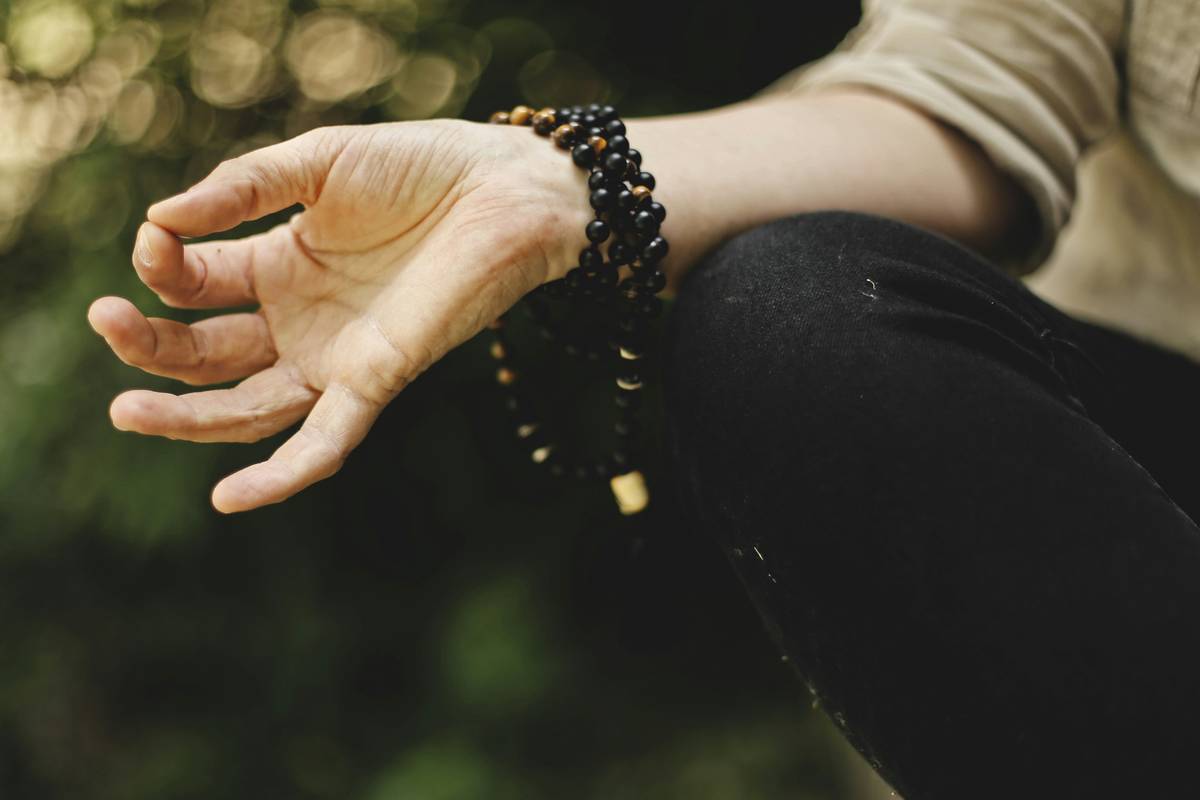
- Pair with a physical cue. Touch your thumb and forefinger together during practice. Over time, this becomes an “anchor” you can use in panic moments.
- Don’t fight the anxiety. Acknowledge it: “There’s tightness in my chest… and that’s okay.” Resistance fuels it.
- Skip perfection. Missed a day? Great. Start again. Consistency over weeks—not single sessions—drives neural change.
- Avoid meditating right after caffeine. Your nervous system needs baseline calm to engage meaningfully.
- Track subtle shifts. Note changes in sleep, irritability, or muscle tension—not just “feeling calm.” Progress is often invisible day-to-day.
Real Case Studies: When Meditation Actually Reduced Anxiety
Case 1: Maria, 38, Software Engineer
Diagnosed with GAD, Maria tried meditation but quit after two days—it “made her feel trapped.” Her therapist suggested starting with a 3-minute sound-focused meditation (listening to rain sounds while counting inhales). After 4 weeks of daily practice, she reported a 30% decrease in nighttime rumination (tracked via journaling).
Case 2: David, 52, Teacher
David experienced panic attacks before parent-teacher conferences. He began a daily 10-minute body scan using an MBSR app. Within 6 weeks, his HRV (heart rate variability—a biomarker of stress resilience) improved by 22%, per his wearable data. He now uses a 2-minute “emergency scan” before meetings.
Both cases highlight a crucial truth: tailored, consistent practice > generic, sporadic effort.
FAQs About Meditation for Adults with Anxiety
Can meditation make anxiety worse?
Temporarily, yes—especially in the first 1–2 weeks. This is called an “extinction burst,” where the brain protests new patterns. If distress persists beyond 3 weeks, consult a therapist. Never replace professional care with meditation alone if you have severe anxiety.
How quickly does meditation reduce anxiety?
Most studies show measurable changes in 4–8 weeks of daily practice. However, some report feeling calmer after just 3–5 sessions—especially when using breath-focused techniques during acute stress.
Is guided or unguided meditation better for anxiety?
Guided is strongly recommended for beginners. The voice provides structure, reducing the pressure to “do it right.” As your skill builds (usually after 4–6 weeks), you can experiment with silence.
What if I can’t stop thinking during meditation?
You’re not supposed to! The goal isn’t to empty your mind—it’s to notice when you’re distracted and gently return. Every return is a “rep” for your attention muscle.
Conclusion
Meditation for adults with anxiety isn’t about achieving zen enlightenment—it’s about rewiring your brain’s threat response, one breath at a time. Start tiny. Be kind to your impatient self. And remember: the fact that you’re seeking tools means you’re already fighting your way toward calm.
Like a Tamagotchi, your nervous system needs daily tending. Feed it five minutes. See what grows.
Haiku for the Anxious Mind:
Thoughts race like storm waves—
Breathe in, anchor to this chair.
Calm is not absence.