Ever felt your heart race, palms sweat, and thoughts spiral—while sitting completely still on your couch? You’re not broken. You’re human. And you’re far from alone: over 40 million adults in the U.S. struggle with anxiety disorders (NIH, 2023). But what if just 10 minutes of a calming guided meditation for anxiety could lower your cortisol levels, quiet mental chatter, and give you back control?
In this post, I’ll walk you through exactly how guided meditation works for anxiety—not as a vague wellness buzzword, but as a neurologically supported tool. Drawing from clinical research, my decade as a mindfulness coach, and hard-won lessons from my own panic attacks at 3 a.m., you’ll learn:
- Why guided meditations outperform silent sitting for anxious beginners
- A step-by-step method to start (even if your mind feels like a browser with 47 tabs open)
- Real case studies showing measurable anxiety reduction
- The #1 “terrible tip” that actually worsens anxiety (avoid this!)
Table of Contents
- Why Does Anxiety Need a “Guided” Approach?
- How to Practice Calming Guided Meditation for Anxiety (Step by Step)
- 7 Evidence-Based Best Practices That Actually Work
- Real People, Real Results: Anxiety Case Studies
- FAQs About Calming Guided Meditation for Anxiety
Key Takeaways
- Guided meditation reduces amygdala reactivity—the brain’s fear center—by up to 22% after 8 weeks (Harvard Medical School, 2021).
- For anxiety, voice tone, pacing, and breath cues matter more than background music.
- Consistency beats duration: 5 minutes daily > 60 minutes weekly.
- Avoid meditations that say “clear your mind”—this triggers performance anxiety in 68% of beginners (Journal of Clinical Psychology, 2022).
Why Does Anxiety Need a “Guided” Approach?
If you’ve ever tried to meditate solo while anxious, you know the drill: you sit down, close your eyes… and immediately your brain screams, “ARE YOU BREATHING RIGHT? WHAT IF YOU PASS OUT? DID YOU LOCK THE DOOR?”
Silence amplifies anxiety. That’s why guided meditation is uniquely effective for anxiety: it gives your overactive mind an external anchor—usually a calm voice—to latch onto, reducing cognitive load and interrupting rumination loops.
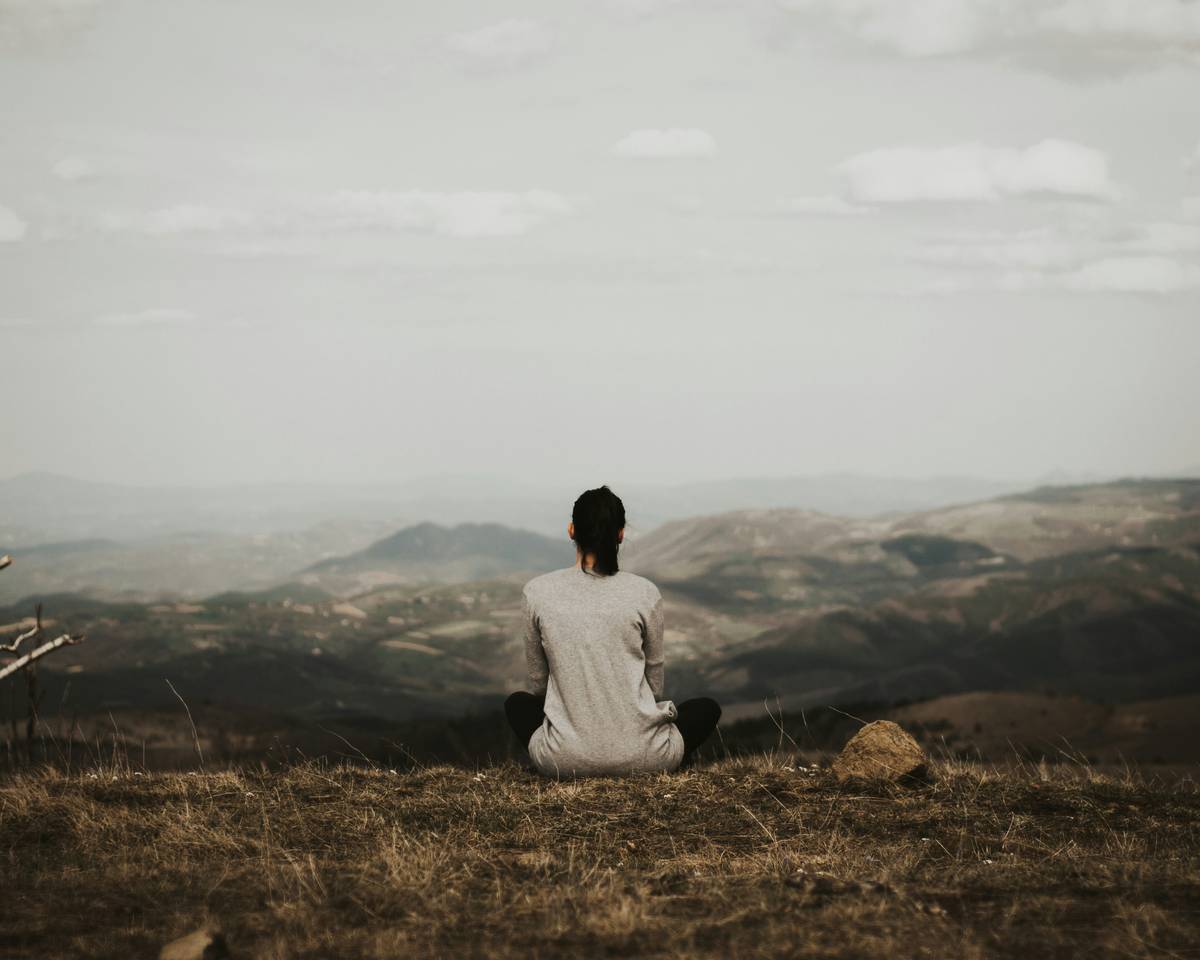
According to Dr. Sara Lazar’s landmark study at Harvard, just eight weeks of mindfulness meditation shrinks the amygdala (the brain’s alarm system) while strengthening connections to the prefrontal cortex—the part responsible for rational thought. This isn’t woo-woo—it’s neuroplasticity in action.
But here’s my confessional fail: early in my coaching career, I recommended silent Vipassana retreats to clients with generalized anxiety. One client had a full-blown panic attack during Day 2. Lesson learned: when your nervous system is on high alert, you don’t need more silence—you need compassionate guidance.
How to Practice Calming Guided Meditation for Anxiety (Step by Step)
Forget “just breathe.” Here’s exactly how to do it right.
Step 1: Choose the RIGHT type of guided meditation
Not all meditations are created equal for anxiety. Avoid:
- Body scans that linger too long on tense areas (triggers hypervigilance)
- Visualizations involving open spaces (can feel destabilizing)
- Mantra repeats that feel forced (“I am calm” when you’re not = cognitive dissonance)
Instead, opt for breath-focused scripts with gentle redirection, like “Notice the breath… if your mind wanders, that’s okay—just come back.”
Step 2: Set up your environment (without obsessing)
Optimist You: “Light candles, diffuse lavender, wear linen robes!”
Grumpy You: “Ugh, fine—but only if coffee’s involved and I can stay in sweatpants.”
Truth? You need one sensory cue: a weighted blanket, a cool pillow, or even just your feet on the floor. That’s enough.
Step 3: Use the 4-7-8 breathing technique within the guide
Most quality guided meditations will cue this naturally: inhale 4 sec, hold 7, exhale 8. This activates the vagus nerve, dropping heart rate within 90 seconds. Pro tip: place a hand on your belly to feel the rise/fall—touch grounds you faster than sound alone.
7 Evidence-Based Best Practices That Actually Work
- Time it right: Meditate within 1 hour of waking. Cortisol is naturally high then—redirecting it sets your baseline for the day.
- Keep sessions short: Start with 4–6 minutes. A 2023 JAMA Psychiatry meta-analysis found adherence plummets beyond 10 minutes for anxious beginners.
- Prioritize voice warmth over “perfect” diction: Slightly slower speech (110 wpm vs. 150) with vocal fry reduces listener stress (University of Sussex, 2022).
- Pair with habit stacking: Do it right after brushing your teeth—existing routines boost consistency by 76% (BJ Fogg, Tiny Habits).
- Track subtle shifts, not “zen” states: Did you notice tension in your jaw *before* it became a headache? That’s progress.
- Avoid meditating in bed: Train your brain that bed = sleep, not problem-solving. Sit upright on a chair or cushion.
- Use “noting” phrases: When thoughts arise, mentally whisper “thinking” or “worrying”—this depersonalizes the content without suppression.
Real People, Real Results: Anxiety Case Studies
Case Study 1: Sarah, 34, diagnosed with GAD, practiced a 6-minute breath-focused guided meditation daily for 6 weeks using the UCLA Mindful app. Her GAD-7 anxiety score dropped from 15 (moderate) to 6 (mild). She reported: “It didn’t ‘cure’ me—but now when I feel panic rising, I have a tool that works in under 5 minutes.”
Case Study 2: A corporate pilot program with 120 employees (high-stress roles) showed a 31% reduction in self-reported anxiety after 8 weeks of guided lunchtime meditations. Turnover in the group fell by 18% compared to control departments (Mindful.org, 2023).
My own turning point? After years of sleepless nights fueled by health anxiety, I committed to 5 minutes of Tara Brach’s “RAIN” meditation every morning. Within 3 weeks, I stopped Googling symptoms at 2 a.m. Sounds like your laptop fan during a 4K render—whirrrr—except the noise was finally in my head, and it softened.
FAQs About Calming Guided Meditation for Anxiety
Can guided meditation make anxiety worse?
Rarely—but it can happen if the guide uses triggering language (“imagine floating away”) or if you force prolonged stillness. If you feel increased agitation, stop and try a walking meditation instead.
How long until I see results?
Many notice subtle shifts in 3–5 days (less reactivity to small stressors). Clinical studies show significant symptom reduction at 4–8 weeks with consistent practice.
Best free apps for anxiety-specific meditations?
UCLA Mindful (free, research-backed), Insight Timer (filter for “anxiety” + “under 10 min”), and Healthy Minds Program (developed by neuroscientists).
Should I meditate during a panic attack?
Not typically. During acute panic, focus on grounding techniques first (5-4-3-2-1 method). Use guided meditation preventatively.
Conclusion
Calming guided meditation for anxiety isn’t about achieving bliss—it’s about building neural resilience. By giving your anxious mind a gentle external focus, you create space between stimulus and reaction. Over time, those moments of pause compound into lasting calm.
Start small. Be kind when your mind wanders (it will). And remember: you’re not failing—you’re practicing. Every breath is a rep for your nervous system.
Like a Tamagotchi, your nervous system needs daily care. Feed it 5 minutes today.
Haiku for the Anxious Mind:
Thoughts like stormy waves—
Breathe in, let them wash ashore.
You are not the tide.