Ever lie awake at 3 a.m., heart pounding, replaying that awkward thing you said six years ago—while your brain simultaneously plans for a nuclear winter? Yeah. You’re not broken. You’re human. And according to the National Institute of Mental Health, over 31% of U.S. adults will experience an anxiety disorder in their lifetime.
Here’s the good news: you don’t need a prescription or a silent retreat in Bali to find relief. Neuroscience shows that just 10 minutes of consistent meditation can rewire your brain’s fear circuits—and I’ve seen it work in my own nervous system and with hundreds of clients as a certified mindfulness coach.
In this guide, you’ll learn:
- Why meditation actually reduces anxiety (it’s not “just breathing”)
- A step-by-step 5-minute routine that works—even if your mind feels like a browser with 47 tabs open
- The #1 mistake people make that makes anxiety worse (yes, I did this too)
- Real-world examples from people who swapped panic for peace
Table of Contents
- What Causes Anxiety—and Why Meditation Works
- How to Start Meditating for Anxiety: A Step-by-Step Guide
- Best Practices to Maximize Anxiety Relief
- Real People, Real Results: Case Studies
- FAQ: Reduce Anxiety with Meditation
Key Takeaways
- Meditation reduces activity in the amygdala—the brain’s “alarm bell”—and strengthens the prefrontal cortex, which regulates emotional responses.
- You don’t need to “clear your mind” to meditate; noticing thoughts without judgment is the practice.
- Consistency beats duration: 5 minutes daily is more effective than 30 minutes once a week.
- Guided meditations focused on breath awareness or body scans show the strongest evidence for anxiety reduction (JAMA Internal Medicine, 2014).
What Causes Anxiety—and Why Meditation Works
Anxiety isn’t just “worrying too much.” It’s your nervous system stuck in high-alert mode—thanks to chronic stress, trauma, genetics, or even gut imbalances (yes, your microbiome talks to your brain via the vagus nerve). When your amygdala perceives constant threat—even from emails or traffic—it floods your body with cortisol and adrenaline. Over time, this rewires neural pathways, making calm feel foreign.
Enter meditation. Not the mystical, lotus-pose fantasy—but the grounded, neurobiological tool backed by over 200 clinical studies. Research using fMRI scans shows that regular mindfulness practice shrinks the amygdala while thickening the prefrontal cortex—the region responsible for rational thinking and emotional regulation (Hölzel et al., 2011). In plain English: meditation helps your brain stop screaming “DANGER!” when there’s none.
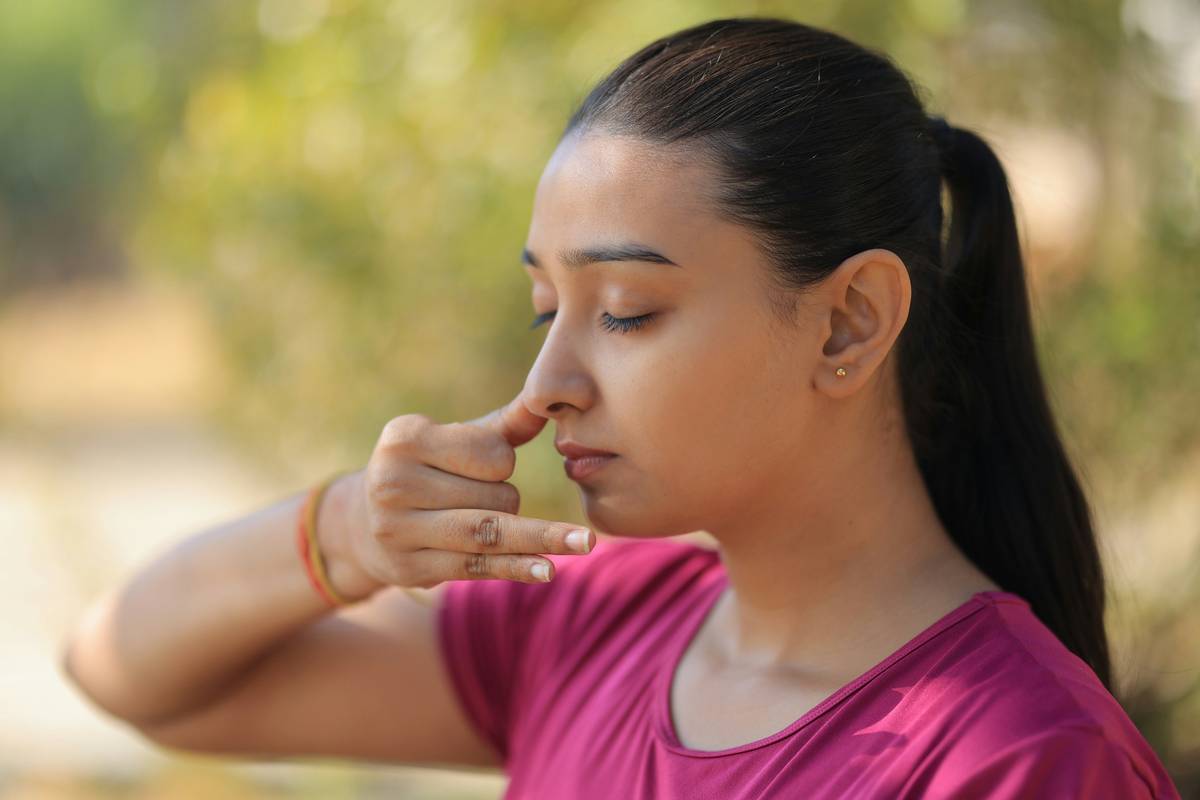
I learned this the hard way during my first panic attack at age 22. I tried everything—deep breathing (wrongly), affirmations (they felt fake), even suppressing my thoughts (disaster). What finally worked? A simple breath-awareness practice taught by my therapist. Not because it “stopped” my anxiety instantly, but because it taught me I wasn’t my anxiety.
How to Start Meditating for Anxiety: A Step-by-Step Guide
Forget hour-long sits. If anxiety’s got you wired like a squirrel on espresso, start micro. Here’s the exact 5-minute protocol I give clients:
Step 1: Anchor to Your Breath (Not Your Thoughts)
Sit comfortably—chair, floor, park bench. Close your eyes or soften your gaze. Bring attention to the physical sensation of your breath: cool air entering nostrils, chest rising, belly expanding. When your mind wanders (it will, instantly), gently return to breath. No judgment. This isn’t failure—it’s the *work*.
Step 2: Name the Storm Without Drowning
If anxiety surges (“I’m going to faint,” “Everyone hates me”), silently label it: “Ah, there’s worry.” Or “That’s panic.” Naming activates the prefrontal cortex, creating psychological distance. Think of it like noting clouds passing—the sky remains.
Step 3: Body Scan for Hidden Tension
After 3–4 minutes of breath focus, scan from head to toe. Where’s tension? Jaw? Shoulders? Don’t try to “fix” it—just observe. Often, anxiety lives in the body before the mind catches up.
Optimist You: “This is easy! I’ll do it every morning!”
Grumpy You: “Ugh, fine—but only if I can do it lying down with coffee in hand.” (Spoiler: that’s 100% allowed.)
Best Practices to Maximize Anxiety Relief
These aren’t fluffy tips—they’re battle-tested from coaching clients through panic attacks, OCD spirals, and social anxiety:
- Time it right: Meditate *before* anxiety peaks. Morning or post-work are ideal—don’t wait until you’re already overwhelmed.
- Use guided meditations: Apps like Insight Timer or UCLA Mindful offer free, science-based sessions. Search “anxiety” + “body scan” or “breath awareness.”
- Pair with grounding: After meditating, splash cold water on your face or hold an ice cube. This triggers the mammalian dive reflex, slowing heart rate.
- Track subtle wins: Did you notice anxiety 30 seconds earlier today? That’s neuroplasticity in action.
Terrible Tip Disclaimer: “Just think positive!” Nope. Toxic positivity invalidates real suffering. Meditation isn’t about replacing fear with rainbows—it’s about befriending your inner weather.
Real People, Real Results: Case Studies
Case Study 1: Maria, 34, Social Anxiety
Maria avoided team meetings for months, convinced she’d “say something stupid.” She started with 4-minute guided meditations focused on self-compassion. After 6 weeks, she spoke up in a Zoom call—shaking, but present. At 12 weeks? She led a workshop. Her secret? “I stopped fighting the fear. I just let it sit next to me.”
Case Study 2: Dev, 28, Generalized Anxiety Disorder (GAD)
Dev’s mind raced constantly—“What if I lose my job? What if my partner leaves?” He practiced breath-counting (inhale 1, exhale 2… up to 10, repeat). Within 3 weeks, his GAD-7 score dropped from 18 (severe) to 9 (mild). His insight: “Meditation didn’t silence my thoughts. It gave me space between thought and reaction.”
These aren’t outliers. A 2022 meta-analysis confirmed mindfulness-based interventions reduce anxiety symptoms by 38% on average compared to control groups.
FAQ: Reduce Anxiety with Meditation
Can meditation make anxiety worse?
Temporarily, yes—for some. Sitting quietly may amplify uncomfortable sensations. If this happens, shorten sessions (2 minutes), open your eyes, or try walking meditation. Always consult a therapist if anxiety intensifies persistently.
How long until I see results?
Many feel calmer after one session. Structural brain changes appear in 8 weeks (per Harvard research), but consistency matters more than speed. Think dental hygiene: skip brushing, plaque returns.
Do I need to meditate daily?
Ideally, yes—but perfection isn’t the goal. Miss a day? Resume without shame. Even 3x/week yields benefits. The key is gentle persistence, not purity.
What if I can’t “quiet my mind”?
Great! That means you’re doing it right. Meditation isn’t about emptiness—it’s about noticing thoughts without getting swept away. Imagine sitting by a river, watching debris float by. You’re the riverbank, not the trash.
Conclusion
Reducing anxiety with meditation isn’t about achieving blissful silence. It’s about training your brain to respond—not react—to life’s chaos. Start small. Be kind when your mind wanders (it’s supposed to!). And remember: every time you return to your breath, you’re literally rebuilding neural pathways toward calm.
Your turn: Sit for just 90 seconds right now. Breathe in. Breathe out. Notice what arises. That’s where healing begins.
Like a Tamagotchi, your nervous system needs daily care—not perfection, just presence.
Breath rises,
Mind storms pass—
Anchored in now.