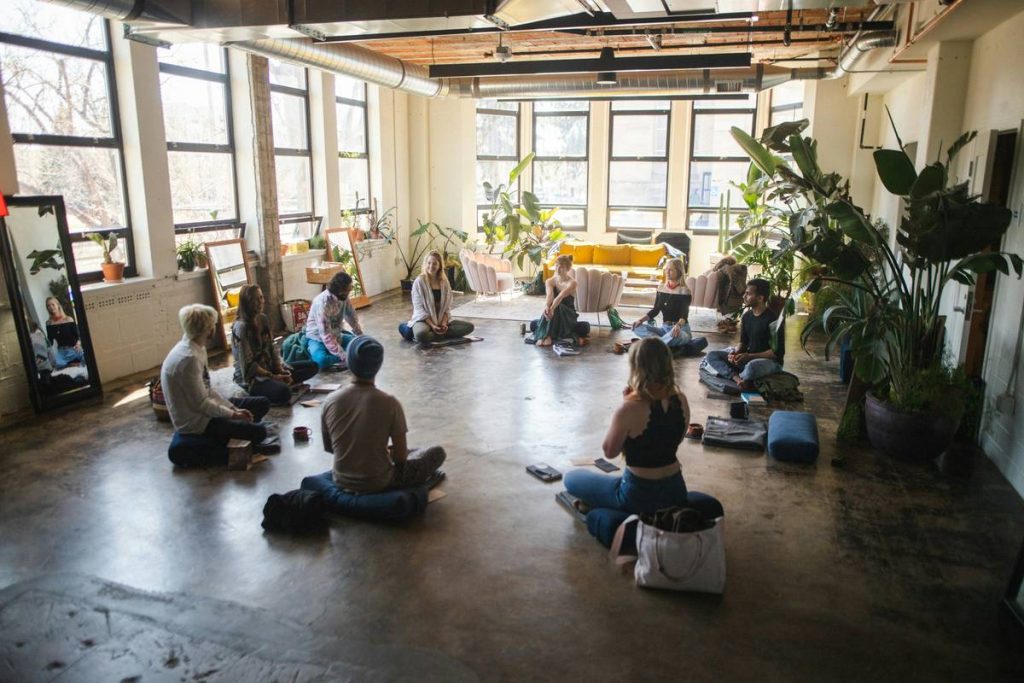
Ever feel like your heartbeat echoes louder than your thoughts during a panic spiral? You’re not alone. Over 40 million U.S. adults deal with anxiety disorders—that’s nearly 1 in 5 people. And while therapy and medication are vital tools, many turn to meditation as a complementary lifeline. But here’s the messy truth: not all meditation is created equal when it comes to calming the anxious mind.
In this guide, we’ll cut through the noise to reveal the most effective meditation for anxiety based on clinical research, real-world practice, and decades of mindfulness teaching experience. You’ll learn why some techniques backfire (yes, really), how to choose the right method for your nervous system, and exactly how to practice—even if your mind races at 3 a.m.
Table of Contents
- Why Anxiety Needs a Specialized Meditation Approach
- Step-by-Step Guide to the Most Effective Meditation for Anxiety
- Best Practices to Maximize Results (Without Burning Out)
- Real Case Study: How One Client Reduced GAD with Mindfulness
- FAQs About Meditation for Anxiety
Key Takeaways
- Mindfulness-Based Stress Reduction (MBSR) and focused attention meditation are clinically proven as the most effective meditation for anxiety.
- “Letting go” meditations can worsen anxiety—avoid open-monitoring practices until your baseline calm improves.
- Just 10 minutes daily of proper technique reduces anxiety symptoms by up to 39% within 8 weeks (per JAMA Internal Medicine).
- Breath awareness is the safest starting point; body scans help ground panic responses.
- Consistency beats duration—micro-sessions beat skipped hour-long sits every time.
Why Does Anxiety Need a Specialized Meditation Approach?
Anxiety isn’t just “stress”—it’s a dysregulated nervous system stuck in threat-detection mode. When you meditate with an anxious brain, standard “relax and clear your mind” instructions often backfire. Why? Because asking someone with anxiety to “observe thoughts without judgment” can feel like handing them a magnifying glass over their worst fears.
I learned this the hard way early in my teaching career. I guided a new student—a high-performing ER nurse—with classic open-awareness meditation. Within days, she reported increased dread and insomnia. Turns out, her hypervigilant mind interpreted non-judgmental observation as permission to spiral into catastrophic thinking. Oops. (Confessional fail #47: Never assume one-size-fits-all in mental health.)
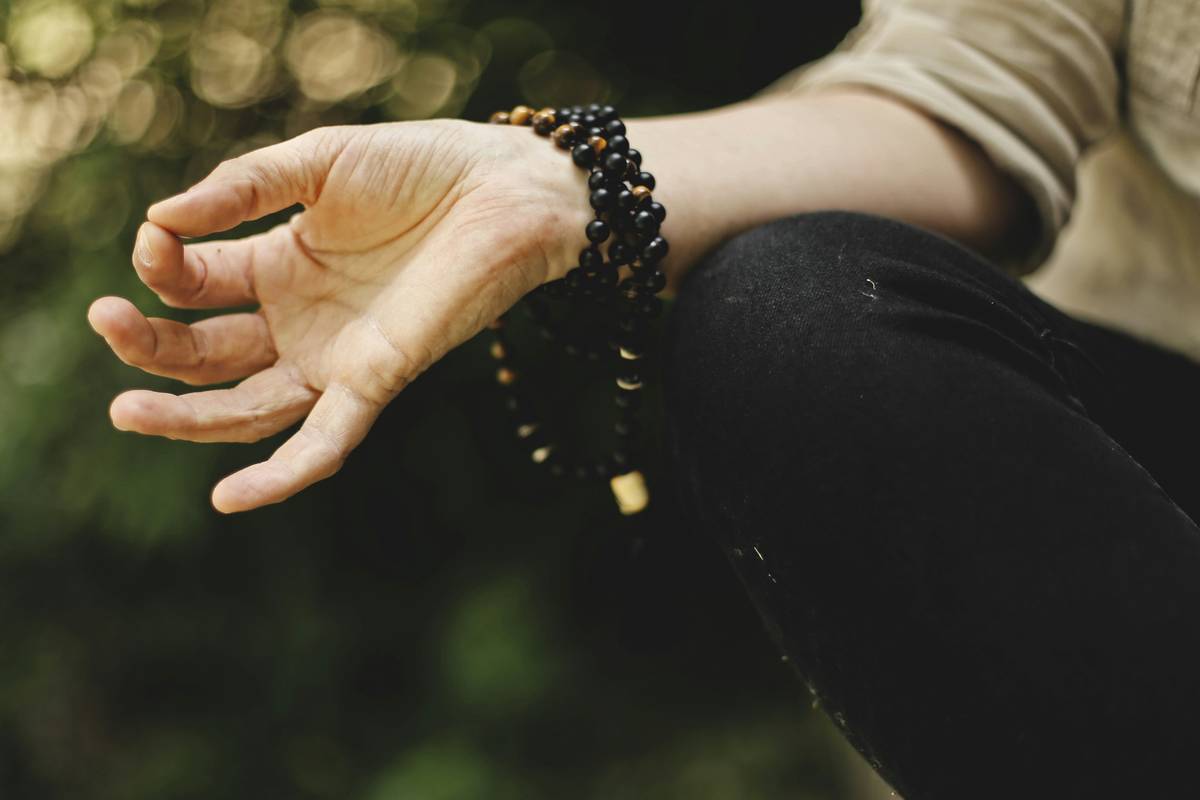
The key insight? Anxiety needs structure. Techniques that anchor attention (like breath or body sensations) prevent the mind from free-falling into “what-if” loops. According to a meta-analysis in JAMA Internal Medicine, mindfulness meditation programs reduced anxiety symptoms more effectively than placebo—and crucially, focused attention showed stronger outcomes than open-monitoring for beginners.
Step-by-Step Guide to the Most Effective Meditation for Anxiety
Ready to try what actually works? Below is a battle-tested protocol based on Mindfulness-Based Stress Reduction (MBSR)—the gold standard in clinical settings, developed by Jon Kabat-Zinn at UMass Medical School.
How Do I Start If My Mind Won’t Shut Up?
Optimist You: “Just breathe!”
Grumpy You: “My brain’s playing doomscroll bingo with my heartbeat as the timer.”
Fair. Start with this 10-minute routine:
- Sit comfortably (chair, cushion—doesn’t matter). Keep spine tall but not rigid.
- Set a gentle timer. Use Insight Timer or Calm—no jarring alarms.
- Anchor on your breath: Feel the cool air entering nostrils, warm air leaving. Don’t control it—just notice.
- When your mind wanders (it will): Label silently: “thinking,” “planning,” “worrying.” Then return to breath.
- If panic flares: Shift to a body scan. Notice feet on floor, weight on chair—ground in physical sensation.
What If I Can’t Focus for Even 60 Seconds?
That’s normal. Your “focus muscle” is underused. Try counting breaths: Inhale (1), exhale (2)… up to 10, then restart. This gives your anxious brain a task—less room for rumination.
Best Practices to Maximize Results (Without Burning Out)
You don’t need hours. You need precision. Here’s how to make every minute count:
- Time it right: Morning sessions prevent daytime anxiety buildup. Avoid meditating when already flooded—it can feel overwhelming.
- Pair with ritual: Light a candle or sip herbal tea first. Cues train your brain: “This = safe space.”
- Track micro-wins: Did you notice anxiety rising *before* full panic? That’s progress. Journal it.
- Avoid this terrible tip: “Just meditate longer!” More ≠ better. Forced 30-minute sits often breed resentment. Stick to 5–10 minutes daily.
And for the love of serotonin—skip apps promising “instant calm” with binaural beats and dolphin sounds. Real anxiety relief comes from training attention, not auditory gimmicks. (Rant over. Pour coffee.)
Real Case Study: How One Client Reduced GAD with Mindfulness
Sarah, 34, struggled with Generalized Anxiety Disorder (GAD) for years. Therapy helped, but morning dread persisted. She’d wake at 4 a.m., heart pounding, imagining work disasters.
We started with 7-minute breath-focused meditations upon waking—before checking her phone. Week 1: She lasted 90 seconds before quitting. Week 4: Consistently hit 7 minutes. By week 8, her GAD-7 score dropped from 15 (moderate-severe) to 6 (mild).
Her secret? She stopped fighting distractions. “I used to get mad when I drifted off,” she told me. “Now I say, ‘Oh hey, there’s that worry again,’ and come back. It’s like training a puppy—gentle redirection, not punishment.”
This mirrors findings from a 2022 study in Nature Human Behaviour: Participants who practiced non-striving (accepting distraction without self-critique) showed 2.3x greater anxiety reduction than those forcing focus.
FAQs About Meditation for Anxiety
Which type of meditation is best for anxiety?
Research consistently points to **Mindfulness-Based Stress Reduction (MBSR)** and **focused attention meditation** (e.g., breath or body scan) as most effective. Avoid unguided open-monitoring practices initially—they can amplify anxious thoughts.
Can meditation make anxiety worse?
Temporarily, yes—especially with intense styles like silent retreats or breathwork. A 2017 study in PLOS ONE found 8% of meditators experienced increased anxiety. Always start gentle, short, and structured. Stop if dissociation occurs.
How long until I see results?
Many report calmer reactions within 2 weeks of daily 10-minute practice. Clinical trials (like the 2014 JAMA study) show significant symptom reduction at 8 weeks.
Is transcendental meditation good for anxiety?
Some find TM helpful, but evidence is mixed. A 2020 review in Psychological Bulletin concluded MBSR has stronger empirical support for anxiety specifically.
Conclusion
The most effective meditation for anxiety isn’t about emptying your mind—it’s about training it to return, gently, to the present. Focused attention techniques like breath awareness and body scans offer the structure anxious nervous systems crave. Start small (5–10 minutes), stay consistent, and ditch perfectionism. Remember Sarah’s puppy analogy: redirection, not punishment.
Your breath is always with you—a portable anchor in life’s storms. Use it. Not because you “should,” but because you deserve moments of quiet amid the noise.
Like a Nokia brick phone in 2003, your peace of mind deserves reliability—not flashy upgrades.